4 sourcesFirst reported yesterday at 15:37, updated 7 h ago
How 'Lula's Army' WhatsApp chat helped turn Brazil election around
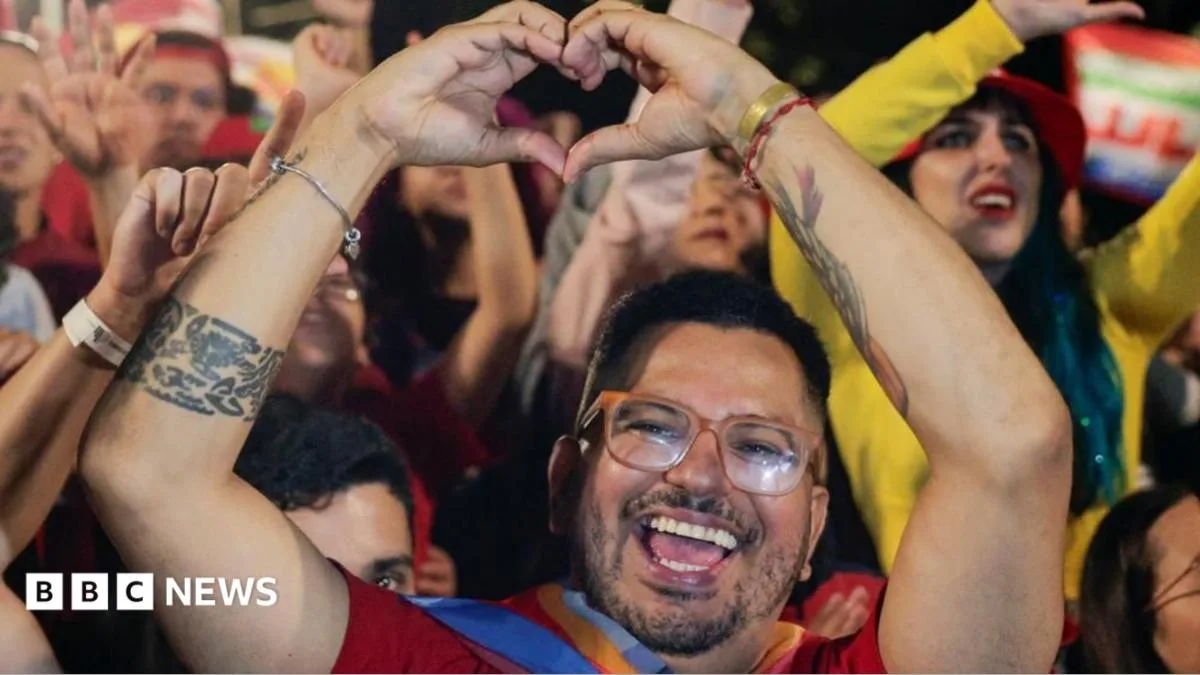
Photo: BBC News
Article analysis

Band BLocalised faults
 BBC NewsNeutral
Headline asserts the WhatsApp channel turned the election, and narration says the tactic worked, though the body attributes this to allies and cites experts doubting measurable impact.
Four of the four outlets that covered this event headlined it neutrally.
The faults are local; the reporter's narration stays descriptive.
1 Straight reporting10 Campaigning
The same event, one framing
The earliest headline of each kind. Marked words are judgements in the headline itself: stated as fact or in quotation marks.
Neutral 4 of 4
How 'Lula's Army' WhatsApp chat helped turn Brazil election around
BBC News
How the 3 was worked out
The model answers seven fixed questions from 0 to 3 and cites evidence for each. The score is calculated from the answers in code, so any disagreement points to one question.
- G1 1
-
G2
HeadlineAsserts a contested claim in the paper's voice. Evidence 12
-
G3
Other side missingEvery party involved responds substantively.0
-
G4
Weight of the unanswered allegationNo allegation against an identifiable party.0
-
G5
Loaded quotesQuotes are informational.0
-
G6
Unattributed claimsOne or two disputable claims are unattributed. Evidence 21
-
G7
Missing contextNecessary background is present.0
Evidence
1Headline-body attribution mismatchHeadline voice
helped turn Brazil election around
Headline asserts as fact a causal claim the body says is credited by allies and that political scientists say cannot be measured.
2OpinionatedReporter voice
The tactic worked
Reporter-voice assertion of causal success that the article later says is impossible to determine.
3Emotional sensationalismReporter voice
one of the most unlikely comebacks in recent Brazilian politics
Superlative framing of the comeback without sourced comparison.
4CoverageReporter voice
failed to communicate his message to his supporters as effectively
Bolsonaro campaign is characterised but never quoted; criticism is mild strategic assessment.
5Word choiceReporter voice· not scored
dramatic growth
Mild intensifier in narration.
Show the calculation
S = G2 + … + G7 = 2 + 0 + 0 + 0 + 1 + 0 = 3
G1 = 1, below 2: not band D
Not band C or A: band B
Band B: S ≤ 3 gives 3, 4 to 6 gives 4, 7 or more gives 5. Score 3
Every headline, in order
-
BBC News
Europe
Analysed above
Neutral
How 'Lula's Army' WhatsApp chat helped turn Brazil election around
Headline changed; now
How 'Lula's Army' WhatsApp channel helped turn Brazil election around
26 Oct, 18:00 -
 Al Jazeera English
Middle East
Neutral
-
 The New York Times
US & Canada
Neutral
How Lula’s Social Media Campaign Helped Him Win Brazil’s Election
About this method
Method. Bias types follow the Table of Media Bias Elements and the Media Bias Taxonomy (both CC BY 4.0). The impartiality rules follow the BBC Editorial Guidelines and the Ofcom Broadcasting Code. This analysis was made by claude-opus-5-5 on rubric 1.0.0. The score is calculated from the seven answers, never generated.
What this is not. No outlet gets a standing bias rating, and there is no left/right axis, because that axis does not describe Bangladeshi politics. Each analysis covers one article about one event. Members' analytics count how each outlet's headlines were labelled over a chosen period, with the number of headlines behind every share, and also show the average score of an outlet's scored articles: that average describes those articles (mostly each story's lead), not the outlet, and outlets are never ranked by it or by any share.
Known limits. Headlines are grouped into stories automatically, so an unrelated headline sometimes slips in; it is shown faded rather than hidden. Where outlets carry the same wire copy, the comparison has little to show. Human annotators agree on bias in Bangla news only moderately (κ = 0.574 at best), which limits what any automated score can claim.