3 sourcesFirst reported yesterday at 17:59, updated 3 h ago
UK minimum wage 'to rise by nearly four per cent'
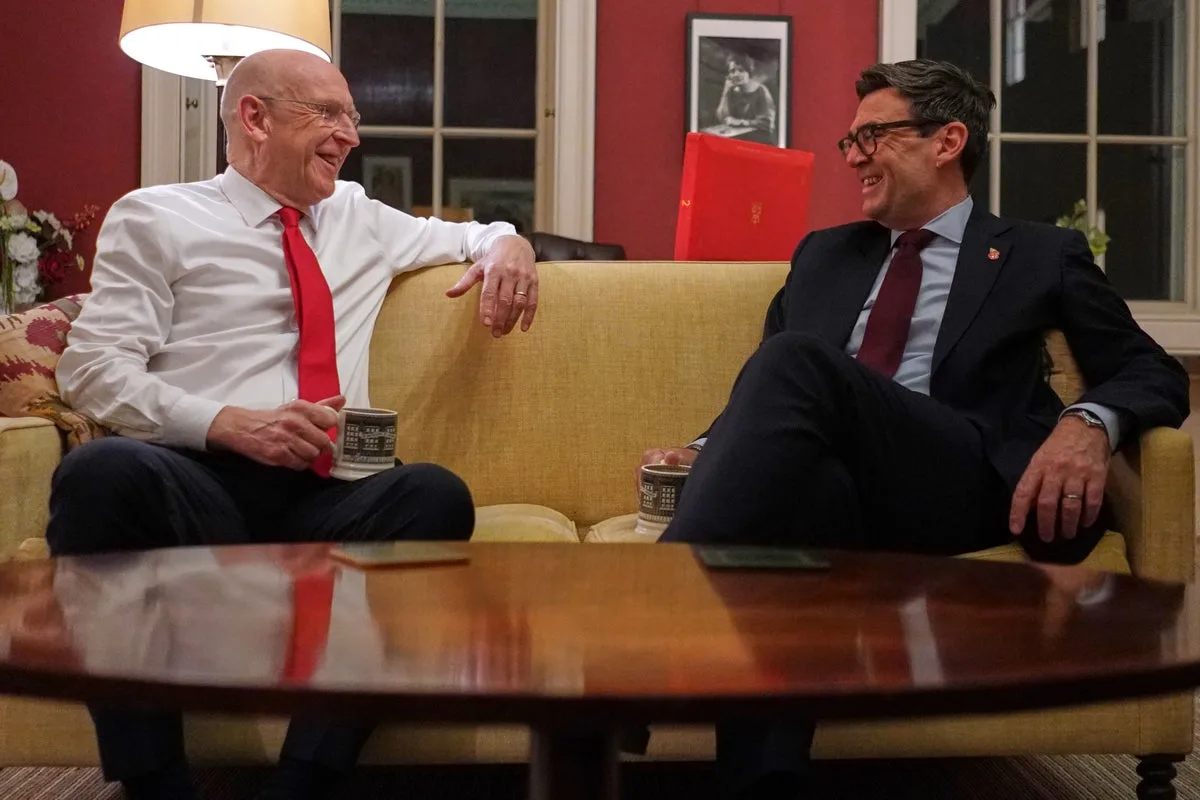
Photo: The Independent
Neutral summary
The Times reported on Monday that Chancellor John Healey is expected to announce on Wednesday's budget a rise in the UK minimum wage of nearly 4 per cent. According to the report, the National Living Wage for workers aged 21 and over would rise 3.9 per cent, from £12.71 to about £13.20 an hour. The National Minimum Wage for those aged 18 to 20 would rise broadly in line, from £10.85 to about £11.27 an hour. The Treasury declined to comment. If confirmed, the rises would take effect in 2027 and end a trend of larger percentage increases for younger workers, amid warnings that young people are being priced out of jobs. In April the Low Pay Commission had said the National Living Wage would probably need to rise about 3.7 per cent in 2027, to £13.18 an hour.
Where accounts differ. The Independent names Andy Burnham as prime minister and Healey as chancellor, while The Financial Express calls Healey finance minister; only The Independent reports the defence spending and supermarket measures.
 The Financial Express
 The Independent
Written by AI from these outlets' articles: facts they report, claims attributed, numbers checked against the sources. It may still contain errors; read the originals.
Article analysis
Band BLocalised faults
The IndependentNeutral
Reports an expected minimum wage rise with attribution to press reports, adding mildly favourable 'boost' framing in the subheadline and an intensifying verb in the narration.
Three of the three outlets that covered this event headlined it neutrally.
The faults are local; the reporter's narration stays descriptive.
1 Straight reporting10 Campaigning
The same event, one framing
The earliest headline of each kind. Marked words are judgements in the headline itself: stated as fact or in quotation marks.
Neutral 3 of 3
Britain's minimum wage to rise nearly 4%, Times reports
 Reuters
How the 3 was worked out
The model answers seven fixed questions from 0 to 3 and cites evidence for each. The score is calculated from the answers in code, so any disagreement points to one question.
-
G1
Reporter's own voiceOne isolated evaluative word in the reporter's voice. Evidence 21
-
G2
HeadlineCompresses or intensifies, but the claim stays attributed. Evidence 11
-
G3
Other side missingEvery party involved responds substantively.0
-
G4
Weight of the unanswered allegationNo allegation against an identifiable party.0
-
G5
Loaded quotesQuotes are informational.0
-
G6
Unattributed claimsOne or two disputable claims are unattributed. Evidence 31
-
G7
Missing contextNecessary background is present.0
Evidence
1Word choiceHeadline voice
in new boost for workers
Subheadline frames the rise evaluatively as a boost, adopting a favourable framing of an unconfirmed policy.
2Word choiceReporter voice
he will slash cost of certain supermarket staples
'Slash' is an intensifying verb where 'cut' or 'reduce' would carry the same information.
3Unsubstantiated claimReporter voice
amid warnings young people are being priced out of employment
Warnings are cited without identifying who issued them.
Show the calculation
S = G2 + … + G7 = 1 + 0 + 0 + 0 + 1 + 0 = 2
G1 = 1, below 2: not band D
Not band C or A: band B
Band B: S ≤ 3 gives 3, 4 to 6 gives 4, 7 or more gives 5. Score 3
Every headline, in order
-
Reuters
Europe
First to report
Neutral
-
The Independent
Europe
Analysed above
Neutral
About this method
Method. Bias types follow the Table of Media Bias Elements and the Media Bias Taxonomy (both CC BY 4.0). The impartiality rules follow the BBC Editorial Guidelines and the Ofcom Broadcasting Code. This analysis was made by claude-opus-5-5 on rubric 1.0.0. The score is calculated from the seven answers, never generated.
What this is not. No outlet gets a standing bias rating, and there is no left/right axis, because that axis does not describe Bangladeshi politics. Each analysis covers one article about one event. Members' analytics count how each outlet's headlines were labelled over a chosen period, with the number of headlines behind every share, and also show the average score of an outlet's scored articles: that average describes those articles (mostly each story's lead), not the outlet, and outlets are never ranked by it or by any share.
Known limits. Headlines are grouped into stories automatically, so an unrelated headline sometimes slips in; it is shown faded rather than hidden. Where outlets carry the same wire copy, the comparison has little to show. Human annotators agree on bias in Bangla news only moderately (κ = 0.574 at best), which limits what any automated score can claim.