11 sourcesFirst reported Sun 25 Oct at 16:24, updated 17 h ago
Algeria to send troops to Niger in first foreign deployment since 1973
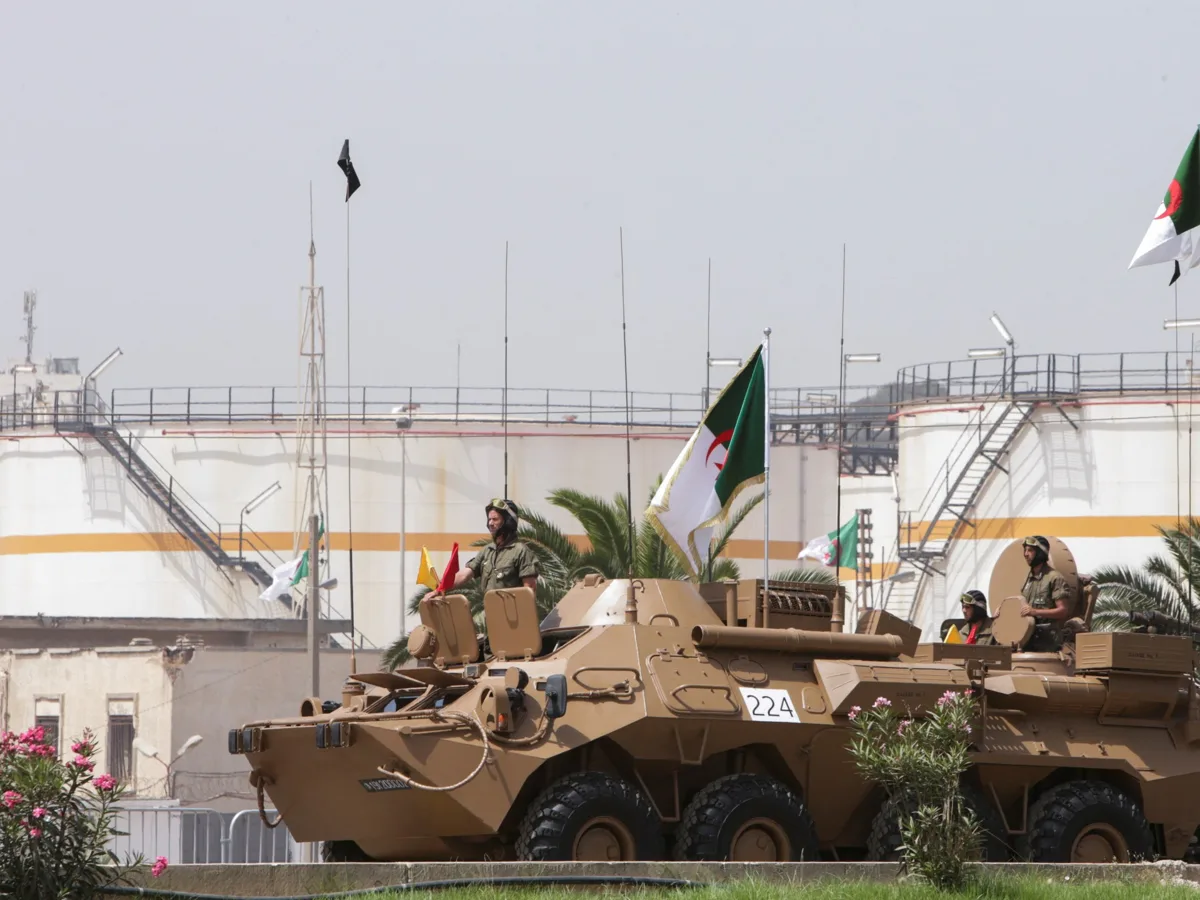
Photo: Al Jazeera Arabic
Neutral summary
Algeria's parliament unanimously approved a resolution on Sunday authorising the deployment of National Army units to Niger, which Reuters and AP describe as Algeria's first foreign troop deployment since 1973. Lawmakers backed sending units to Madama in northern Niger, near the Libyan border, at the site of a former French base. Senator Belkacem Boulghiti said the troops would protect Algeria's economic and strategic interests, particularly oil facilities in Niger, and that they were not being sent to wage war. Al Jazeera Arabic reported that the units would secure oil facilities, citing its correspondent, and analysts quoted there described the move as deterrence and as filling a gap left by Western forces' withdrawal from the Sahel. Reuters reported that no troops had yet been officially deployed, according to a Niger security source, and that Niger's presidential chief of staff had visited the site. Algeria and Niger have improved ties after a period of strain. AP said authorities had not disclosed when or how many soldiers would be involved.
Where accounts differ. Al Jazeera Arabic's analysts describe the deployment as deterrence and as filling a security vacuum, while Boulghiti's account of protecting oil facilities appears in Toronto Star and Al Jazeera Arabic but not in The Straits Times.
 Al Jazeera Arabic
 The Straits Times
 Toronto Star
Written by AI from these outlets' articles: facts they report, claims attributed, numbers checked against the sources. It may still contain errors; read the originals.
Article analysis


Band AStraight reporting
 BBC NewsNeutral
Reports the parliamentary approval of an Algerian deployment to Niger factually, attributing vote figures and oil estimates to agencies and providing diplomatic background without evaluative narration.
Eleven of the eleven outlets that covered this event headlined it neutrally.
Nothing in the headline, sourcing or narration pushes the reader.
1 Straight reporting10 Campaigning
The same event, one framing
The earliest headline of each kind. Marked words are judgements in the headline itself: stated as fact or in quotation marks.
Neutral 11 of 11
لأول مرة منذ أكتوبر 1973.. لماذا قررت الجزائر إرسال قوات إلى النيجر؟
Al Jazeera Arabic
How the 1 was worked out
The model answers seven fixed questions from 0 to 3 and cites evidence for each. The score is calculated from the answers in code, so any disagreement points to one question.
-
G1
Reporter's own voiceNarration is descriptive throughout.0
-
G2
HeadlineReports the event or the speech act; contested claims are attributed.0
-
G3
Other side missingEvery party involved responds substantively.0
-
G4
Weight of the unanswered allegationNo allegation against an identifiable party.0
-
G5
Loaded quotesQuotes are informational.0
-
G6
Unattributed claimsEvery disputable claim is attributed.0
-
G7
Missing contextNecessary background is present.0
Evidence
1Unsubstantiated claimReporter voice· not scored
The troops are expected to protect energy facilities in northern Niger
Expectation about the mission is stated without naming who expects it, though a senator's quote later supports it.
2Word choiceReporter voice· not scored
a significant shift in Algeria's long-standing policy
Mild evaluative framing of significance in reporter voice, though well grounded in the stated history.
Show the calculation
S = G2 + … + G7 = 0 + 0 + 0 + 0 + 0 + 0 = 0
G1 = 0, below 2: not band D
G1 = 0 and S ≤ 1: band A
Band A: S = 0 gives 1, S = 1 gives 2. Score 1
Every headline, in order
-
Al Jazeera Arabic
Middle East
First to report
Neutral
لأول مرة منذ أكتوبر 1973.. لماذا قررت الجزائر إرسال قوات إلى النيجر؟
-
The Straits Times
Asia Pacific
Neutral
Algeria to send troops to Niger in first foreign deployment since 1973
-
BBC News
Europe
Analysed above
Neutral
Algeria to send troops to Niger in first foreign deployment since 1973
-
 The Rio Times
Latin America
Neutral
About this method
Method. Bias types follow the Table of Media Bias Elements and the Media Bias Taxonomy (both CC BY 4.0). The impartiality rules follow the BBC Editorial Guidelines and the Ofcom Broadcasting Code. This analysis was made by claude-opus-5-5 on rubric 1.0.0. The score is calculated from the seven answers, never generated.
What this is not. No outlet gets a standing bias rating, and there is no left/right axis, because that axis does not describe Bangladeshi politics. Each analysis covers one article about one event. Members' analytics count how each outlet's headlines were labelled over a chosen period, with the number of headlines behind every share, and also show the average score of an outlet's scored articles: that average describes those articles (mostly each story's lead), not the outlet, and outlets are never ranked by it or by any share.
Known limits. Headlines are grouped into stories automatically, so an unrelated headline sometimes slips in; it is shown faded rather than hidden. Where outlets carry the same wire copy, the comparison has little to show. Human annotators agree on bias in Bangla news only moderately (κ = 0.574 at best), which limits what any automated score can claim.